
The Coaching Industry Needs Higher Standards: Aram Grigorian on Fitness, Fat Loss, Peptides, and Doing the Work
Key Takeaways
Great coaching requires experience, education, and the willingness to keep learning.
Most people need the fundamentals executed consistently before they need more complexity.
Shortcuts become dangerous when coaches recommend things they don’t fully understand.
There are certain people I can sit down with and know immediately that we’re not going to spend an hour dancing around what we actually think.
Aram Grigorian is one of those people.
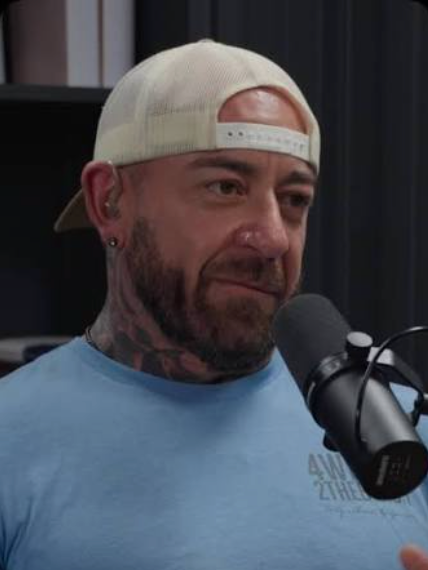
I’ve known Aram for years. We met back in 2019 at a coaching conference, and since then we’ve both spent a lot of time working in this industry, coaching people, continuing our education, building businesses, and watching the online fitness space change.
Some of those changes have been great. Others concern the hell out of both of us.
So when Aram came out to Washington and we finally got a chance to sit down in person, this conversation went everywhere. We talked about personal training, online coaching, certifications, fat loss, body image, diet culture, peptides, GLP-1s, business, and what it actually takes to build a career in fitness.
Underneath all of it was one theme that kept coming back up:
If you’re going to call yourself a coach, you need to take the responsibility of coaching seriously.
That seems obvious. Unfortunately, I’m not sure it is anymore.
When Coaching Becomes a Career
Both Aram and I started as personal trainers.
And neither of us looks down on personal training. That experience was incredibly important for both of our careers. There is something you learn from standing in front of real people, watching them move, hearing their problems, making mistakes, adjusting programs, and seeing firsthand what does and doesn’t work.
The problem comes when someone treats training like a job they clock into rather than a profession they intend to master.
Aram told me about taking over clients from a trainer at a local gym who didn’t even have a certification. The guy had essentially been hired because someone saw him lifting. He was also giving clients meal plans.
That story sounds insane until you spend enough time in fitness and realize how common this kind of thing is.
The person hiring a trainer generally doesn’t know enough to recognize the difference. They assume that because someone looks fit, works at a gym, or has a following online, they must understand how to coach.
Then somebody comes in wanting to lose fat and gets five lifting sessions per week with no nutrition guidance, no cardiovascular programming, and no meaningful support outside of the hour they spend at the gym.
I had to learn this myself.
Early in my career, I assumed training would take care of everything because fitness and nutrition had been part of my life for so long that I didn’t realize how much I knew simply from being immersed in that world.
Eventually, I had to ask a really important question:
Why aren’t some of my clients losing fat?
That led me deeper into nutrition education and eventually online coaching. Once I started bringing nutrition, regular check-ins, bodyweight data, and accountability into the equation, the results changed dramatically.
That experience shaped the way I coach today.
Because a client doesn’t live in the gym.
They live the other 23 hours of the day.
A Certification Is the Beginning, Not the Finish Line
Naturally, this led Aram and me into the certification conversation.
I’m currently developing an education and certification program myself, so I think about this topic a lot.
There is value in having a baseline standard. A trainer should understand anatomy, basic biomechanics, programming, movement patterns, and the principles behind what they are prescribing.
But getting a piece of paper doesn’t suddenly make somebody a great coach.
Experience matters.
Continuing education matters.
Actually applying what you learn matters.
Aram made a point during the conversation that I think every young coach needs to hear: experienced coaches continue going to seminars, certifications, and conferences even after they technically don’t “need” to.
We’ve done that throughout our careers.
Why?
Because you never reach a point where you’ve learned everything.
Aram described it as continuing to “sharpen the sword.”
That mentality has become less common as the business side of online coaching has exploded.
There are young coaches being taught how to sell before they’ve learned how to coach. They know how to make content, send DMs, close a sales call, and build an offer. Some have never developed the technical skills required to deliver what they just sold.
Aram summarized the problem perfectly: coaches are increasingly being taught to sell instead of being taught to become great at their craft.
Business education has its place. I own businesses. I teach coaches. I understand why sales and marketing matter.
But being able to sell coaching and being qualified to coach somebody are two separate skills.
Learn both.
And learn the second one first.
Good Programming Usually Gets Simpler With Experience
One of my favorite parts of this conversation was getting into actual programming.
Because another strange thing happens in coaching: complexity starts becoming a way for coaches to demonstrate how much they know.
The client ends up with tempos, advanced exercise variations, complicated periodization, and a beautifully designed program that may be completely inappropriate for where they are right now.
Aram gave the example of someone with significant weight to lose who is relatively inexperienced in the gym.
That person probably doesn’t need an incredibly sophisticated 12-week lifting program.
They may need two or three productive resistance-training sessions each week, regular cardio, substantially more daily movement, and a nutrition strategy they can follow consistently.
Machines can be fantastic. Basic movement patterns work. Exercises should be loadable, repeatable, and appropriate for the person doing them.
I agree with that completely.
Now, programming changes when I have someone who has already lost the weight, has trained consistently for years, and wants to maximize muscle development. That person may need four or five days in the gym and more specific programming.
That’s coaching.
You meet the person where they actually are.
The more experienced I become, the less interested I am in making something complicated just so it looks impressive.
Your client doesn’t care how intelligent their spreadsheet makes you look.
They care whether it works.
Fat Loss Still Requires Us to Deal With the Basics
This naturally carried into nutrition and fat loss, where Aram and I probably agree on 99% of things.
There are more tools available today than ever before. We have bloodwork, wearables, supplements, medications, testing, specialized diets, and endless amounts of health information online.
Some of those things are valuable.
They can also distract people from the obvious.
Energy balance still matters tremendously for bodyweight and body composition. Aram talked about seeing people search for explanations like insulin resistance while ignoring food intake and activity altogether.
Before we start searching for the most complicated explanation possible, I want to know what you actually do every day.
What are you eating?
How much are you eating?
How much protein are you getting?
How many steps are you taking?
Are you strength training?
Are you doing cardio?
How are you sleeping?
Can you consistently execute the plan?
Those questions aren’t sexy enough to sell a miracle.
They’re incredibly useful for getting someone results.
And I think coaches sometimes become afraid of pushing fat loss because they don’t want to be associated with “diet culture.”
Aram and I both support strategic periods of more aggressive fat loss when they’re appropriate for the individual.
There is psychological value in seeing progress.
If someone hires you specifically because they want to lose weight, getting meaningful early results can create momentum and increase buy-in.
That doesn’t mean recklessly starving people.
It means understanding the goal and building a responsible strategy to achieve it.
Coaching Requires Hard Conversations
This brought us into body positivity, and this is where people can hear a direct opinion and immediately assume there is no empathy behind it.
There is.
Getting out of shape is incredibly easy in the environment we live in.
Food is everywhere. You can have thousands of calories delivered to your door without standing up. Drinks people barely register as food can contain hundreds of calories. Most of us have jobs and lifestyles that require very little physical activity.
Then add careers, kids, stress, poor sleep, relationships, and everything else adulthood throws at you.
I understand how someone gets there.
Understanding how someone got there doesn’t help them if I’m unwilling to tell them what needs to change.
Aram made the distinction that his coaching is weight-neutral in the sense that he isn’t personally invested in forcing somebody to weigh less. But when a client specifically asks for weight loss, his job is to coach them toward the goal they requested.
That matters.
People pay coaches to have conversations they may be avoiding on their own.
There should be compassion in those conversations. There should also be clarity.
If a client says they “tried,” I want to understand what that means.
Did you meal prep?
Did you train?
Did you track?
Did you get your steps?
Did you follow what we agreed you were going to do?
Because vague effort produces vague feedback. We need enough honesty to identify what actually happened before we can solve the problem.
That isn’t being an asshole.
That’s doing the job somebody hired you to do.
Peptides, GLP-1s, and Knowing When the Answer Is “I Don’t Know”
Toward the end of the episode, we got into something I knew I wanted Aram’s opinion on: peptides.
This space has exploded.
You can barely scroll through fitness content anymore without hearing about another peptide, compound, protocol, or supposed optimization hack.
My position has always been that if I’m going to recommend something, I need to look at the evidence. If I’m considering taking something myself, I want to understand the research there too.
And when you start digging into many of the peptides being promoted online, you quickly run into a problem:
The evidence is limited.
Aram’s response to many of these compounds was refreshingly simple: we don’t know.
And sometimes that is the most responsible answer a coach can give.
There’s a huge difference between acknowledging uncertainty and building a business around prescribing certainty where it doesn’t exist. Aram was extremely critical of coaches building peptide-coaching businesses around compounds where the research simply hasn’t caught up to the claims being made.
GLP-1 medications are a somewhat different conversation because there is considerably more evidence and they can clearly be effective tools for weight loss.
But even there, the basics remain.
Aram ran through the questions he wants answered before somebody obsesses over the next compound: Are you eating enough protein? Eating fruits and vegetables? Walking regularly? Doing cardio? Lifting? Sleeping? Managing stress?
If someone uses a GLP-1 and it helps them create the momentum to improve those behaviors, great.
But losing weight while ignoring protein, resistance training, micronutrient intake, and the rest of your health behaviors can leave you lighter without necessarily leaving you healthier.
The medication doesn’t eliminate the responsibility to take care of yourself.
Health Optimization Can Become Another Distraction
There’s another side of this conversation that I think deserves more attention.
You have people who barely take care of themselves searching for a shortcut.
Then you have people who are so obsessed with optimization that they lose all sense of priority.
They’re worried about peptides, toxins, seed oils, household chemicals, supplements, and squeezing another fraction of a percent out of their health while simultaneously doing things that clearly work against those goals.
Aram brought up the example of someone obsessing over optimization while regularly drinking significant amounts of alcohol.
That contradiction is everywhere.
You can spend your entire life trying to optimize every tiny variable.
At some point you have to zoom out.
Are you strong?
Are you fit?
Do you eat mostly nutritious food?
Do you sleep?
Do you move?
Do you have healthy relationships?
Do you enjoy your life?
Start there.
Then we can talk about the final 2%.
Becoming Great Takes Longer Than Instagram Makes It Look
The coaching discussion eventually came back around to business, and Aram shared something I think more young coaches need to hear.
He’s been in this industry for 17 years.
He didn’t have his first five-figure month until 2024.
Think about that.
This is somebody who knows his shit, has spent years building a reputation, has continued learning, and has become a respected voice in the industry. Yet the financial success people see today came after years of grinding, learning, taking other jobs, and figuring things out.
My timeline isn’t dramatically different.
I’ve been doing this for around 16 years, and the online business alone is approaching a decade.
Social media has completely distorted what people think success should look like.
You see somebody’s business today and don’t see the decade that came before it.
Then some 23-year-old coach thinks they’re failing because they haven’t built a seven-figure company after 18 months.
Slow down.
Get really fucking good.
Coach people.
Study.
Go to events.
Meet other professionals.
Ask questions.
Make mistakes.
Create results.
Build a reputation that actually means something.
Aram said something toward the end that ties the entire episode together: when you become a really good coach, you can create good content, attract good clients, create good results, and allow the business to build from there.
There are faster ways to make money.
There probably aren’t many better ways to build a career that lasts.
Choose the Harder Standard
The fitness industry doesn’t need another person who learned enough to sell but stopped learning how to coach.
We need more coaches willing to take their craft seriously.
We need people comfortable saying “I don’t know” when the evidence isn’t there.
We need coaches who understand that empathy sometimes includes telling somebody something they don’t want to hear.
And we need professionals who are willing to spend years getting better without expecting immediate recognition for it.
That was probably my biggest takeaway from sitting down with Aram.
Neither one of us has everything figured out. We’ve both changed our minds. We’ve both made mistakes. We’ve both had to learn things the hard way.
And we’re still learning.
That’s the standard.
Because when somebody trusts you with their health, their body, their money, and their goals, being good at marketing isn’t enough.
You owe them competence.
You owe them honesty.
And you owe yourself enough respect for the profession to keep getting better at it.
That’s choosing hard.
Catch the full episode with Aram below or on SPOTIFY: